
Professional Installation
Convenient Service
Trailer Hitches
Bike Racks
Running Boards
Roof Rails

Chevrolet Traverse (2024–Present) Hitch Installation
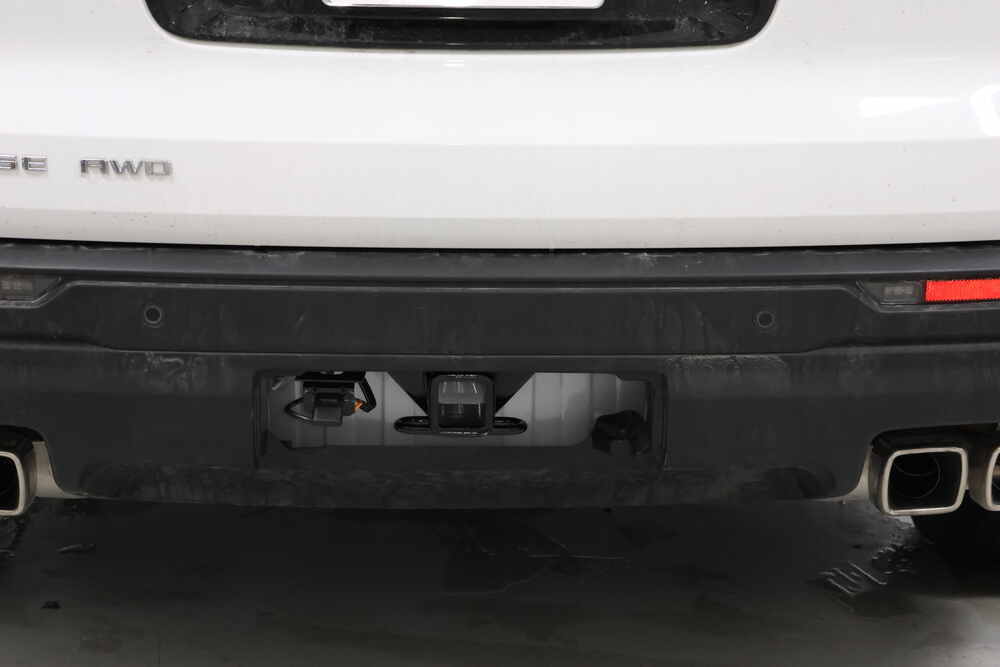
Vehicle Coverage: 2024–Present Chevrolet Traverse; exact trim, body style, and factory tow equipment are verified before scheduling
Receiver: Fixed 2-inch receiver
Hitch Rating: 5,000 lbs towing / 500 lbs tongue weight, subject to the vehicle manufacturer's limits
Installation Time: Approximately 2.5–3.5 hours
The current Traverse hitch is a behind-the-bumper installation. The painted fascia is removed, the factory reinforcement is taken out, and the receiver becomes the new structural crossmember inside the rear body.
1. Removing Rear Lamps and Fascia Fasteners
Tail-lamp, wheel-opening, lower-panel, and hatch-area fasteners are removed and organized so the bumper cover can be released without forcing its side retainers.
2. Protecting Sensors and Removing the Bumper Cover
The fascia is supported while electrical connectors are identified and disconnected, preventing strain on parking-sensor and lighting wiring.
3. Removing the Factory Impact Beam
The original reinforcement is unbolted from the rear body. The exhaust is supported where its lower fasteners share the working area.
4. Installing the Concealed Receiver Structure
The hitch slides into the frame rails and over the factory studs, then additional structural hardware is fishwired through the specified frame openings.
5. Centering and Applying Final Torque
All attachment points are started before tightening so the receiver remains square to the body and aligned with the access opening.
6. Reassembling the Rear Body
The bumper cover, lamps, sensors, wheel-opening trim, lower fasteners, and exhaust supports are restored before every electrical function and panel gap is checked.
Finished Appearance: The receiver sits behind Chevrolet’s removable center access panel. The panel can be restored when the hitch is not being used, preserving the original rear appearance.