
Professional Installation
Convenient Service
Trailer Hitches
Bike Racks
Running Boards
Roof Rails

Ram 1500 Classic (2017–Present) Hitch Installation
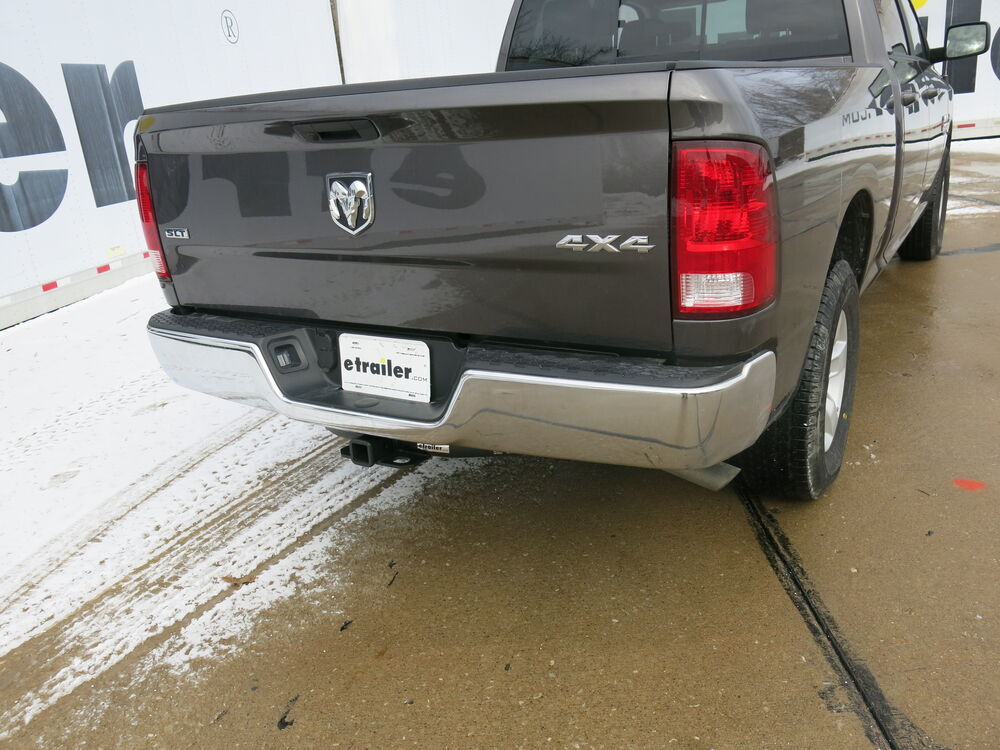
Vehicle Coverage: 2017–Present Ram 1500 Classic models
How to Identify It: The grille carries the Ram’s head emblem rather than the word RAM spelled across the grille
Quote Requirement: A front-grille photo or confirmed body style is required before parts are ordered
Receiver: Fixed 2-inch receiver selected for the truck’s frame, bumper, and existing factory tow equipment
Body Work: No drilling is normally required; exact mounting work depends on the existing receiver and bumper configuration
1. Confirming the Classic Body Style
We verify the Ram’s head emblem on the grille, model year, bumper style, bed and cab configuration, and any existing factory tow equipment before selecting the receiver.
2. Opening the Rear Mounting Area
The spare tire is lowered when required and the frame, bumper beam, wiring, and factory mounting points are inspected for damage or equipment that changes fitment.
3. Positioning the Concealed Frame Hardware
Where the selected receiver uses internal frame hardware, the reinforcement blocks and structural fasteners are guided through existing access points. No customer-facing part numbers or generic fitment assumptions are used.
4. Raising and Torquing the Receiver
The hitch is supported, centered beneath the bumper, and attached at every specified frame or bumper-beam location before the structural hardware is tightened in sequence to specification.
5. Restoring and Checking the Truck
The spare tire and any temporarily moved wiring or bumper hardware are restored. Receiver alignment, safety-chain access, exhaust clearance, spare-tire clearance, and hitch-pin access are checked before return.
Identification Comes First. A grille photo prevents the wrong hitch from being ordered for a truck that may be registered simply as a Ram 1500.