
Professional Installation
Convenient Service
Trailer Hitches
Bike Racks
Running Boards
Roof Rails

Tesla Model 3 (2017–2026) Hidden Hitch Installation
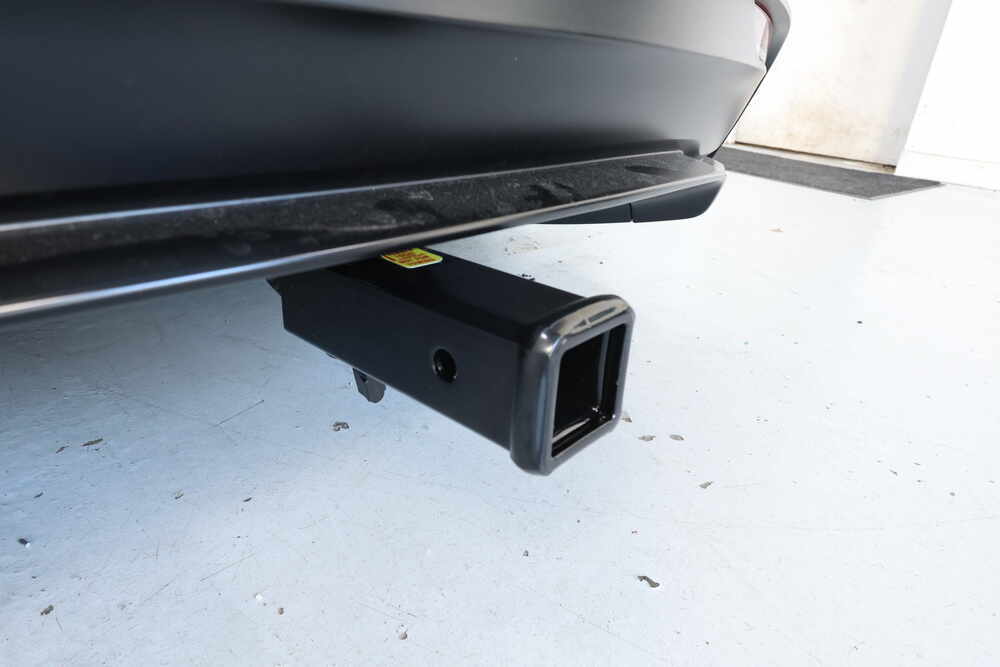
Vehicle Coverage: 2017–2026 Tesla Model 3; exact trim and build-date fitment are verified before scheduling
Design: Concealed hitch frame with a removable receiver attachment
Finished Appearance: The removable rack receiver drops out of the concealed latch when it is not needed, leaving the hitch frame hidden behind the bumper.
Installation Time: Approximately 3–4 hours
The hidden Model 3 hitch places its structural frame behind the bumper and uses a removable receiver attachment. When the attachment is removed, the vehicle returns to a nearly factory appearance with no permanent receiver hanging below the fascia.
1. Protecting the Vehicle and Isolating Power
The rear cargo area and painted body edges are protected before the required electrical connections are isolated for safe bumper removal.
2. Removing the Taillights and Rear Fascia
The lamp assemblies, lower panels, wheel-well fasteners, and bumper retainers are released in sequence while the sensor wiring is supported and disconnected.
3. Accessing the Rear Structure
The factory bumper beam is removed and the body mounting surfaces are cleaned and inspected before the concealed hitch frame is introduced.
4. Installing the Hidden Hitch Frame
The hitch is aligned across the rear structure, the factory crash protection is integrated as designed, and all structural hardware is tightened to specification.
5. Fitting the Removable Receiver System
The concealed latch and removable receiver are assembled and adjusted so the attachment locks securely and can be removed without contacting the bumper.
6. Restoring the Bodywork and Verifying Operation
The fascia, sensors, lamps, lower panels, and interior trim are restored before the receiver is installed, removed, and checked for proper locking and clearance.
Finished Appearance: The removable rack receiver drops out of the concealed latch when it is not needed, leaving the hitch frame hidden behind the bumper.
Plan for wiring now if towing may be in your future. Adding trailer wiring after a Stealth hitch has already been installed is considerably more expensive. The rear bumper must be removed again and the hitch must be modified to accept the wiring hardware, repeating much of the original hitch-installation labor.