
Professional Installation
Convenient Service
Trailer Hitches
Bike Racks
Running Boards
Roof Rails

Kia Telluride (2020–2025) Standard Hitch Installation
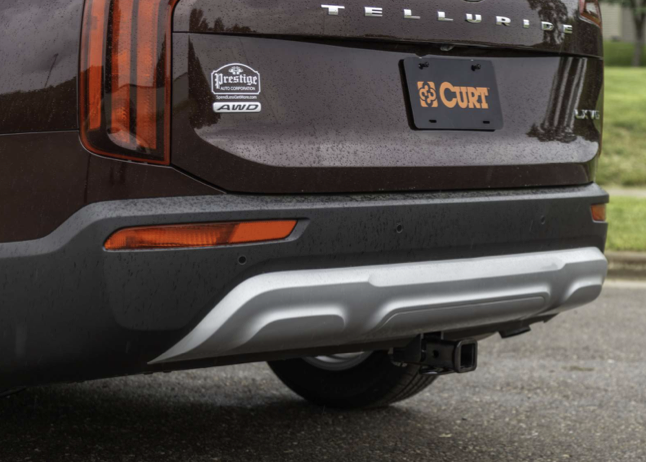
The Telluride standard hitch requires lowering the spare tire and exhaust, removing a driver-side underbody panel, trimming a hidden corner of the heat shield, and making a small underside fascia cut. The hitch is raised above the exhaust, secured to factory mounts, and torqued before all components are restored.
Wiring options by model year: 2020–2022 factory tow-package flat-4 wiring · 2023–Present powered flat-4 wiring
Towing Capacity: 5,000 lbs
Tongue Weight: 750 lbs
Installation Time: Up to 1 hour
Ready to Get Your Vehicle Set Up?
Skip the shop. Skip the wait.
Get your vehicle ready for lake days, mountain weekends, and family adventures — with professional installation completed at your home.
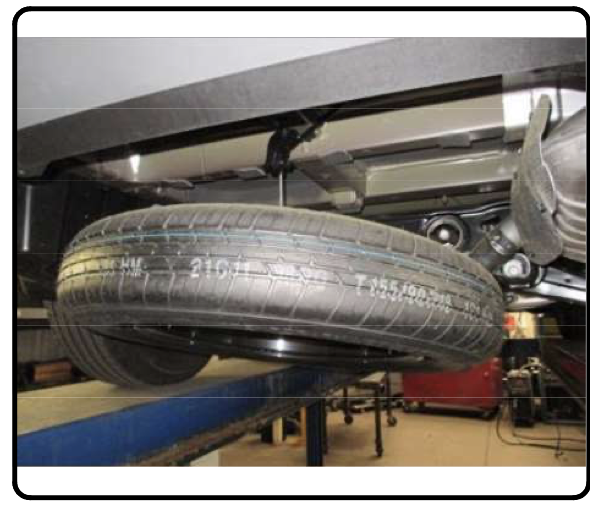
1. Lowering the Spare Tire
We lower the Telluride’s spare tire to create the working room needed beneath the rear of the vehicle. This exposes the hitch-mounting area and allows the receiver to be maneuvered safely into position.
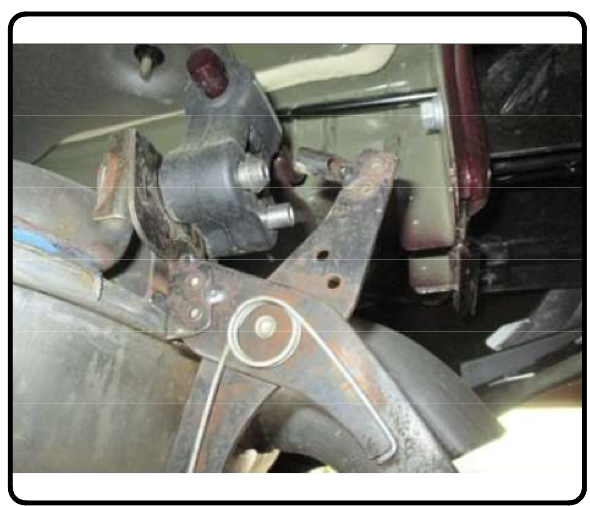
2. Creating Frame and Exhaust Clearance
A small driver-side underbody panel is removed, and the rear exhaust is gently lowered from its rubber hangers. The corner of the heat shield above the exhaust is trimmed as required so the hitch hardware has proper clearance.
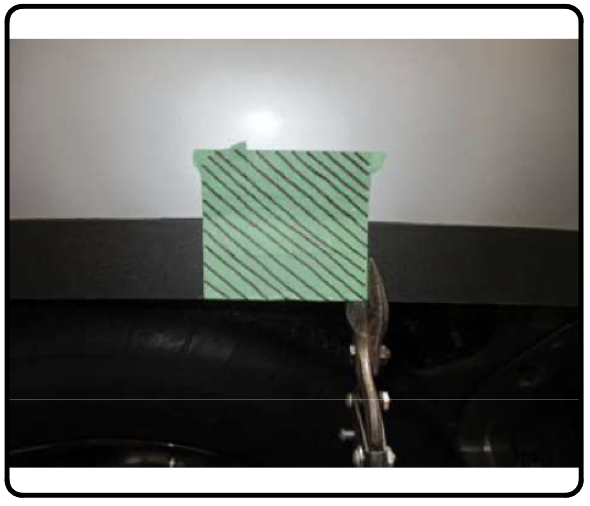
3. Trimming the Hidden Bumper Underside
A small section of the lower plastic bumper cover is measured and trimmed so the receiver can sit in its correct position. The cut is confined to the underside of the bumper and is not visible when standing behind the vehicle.
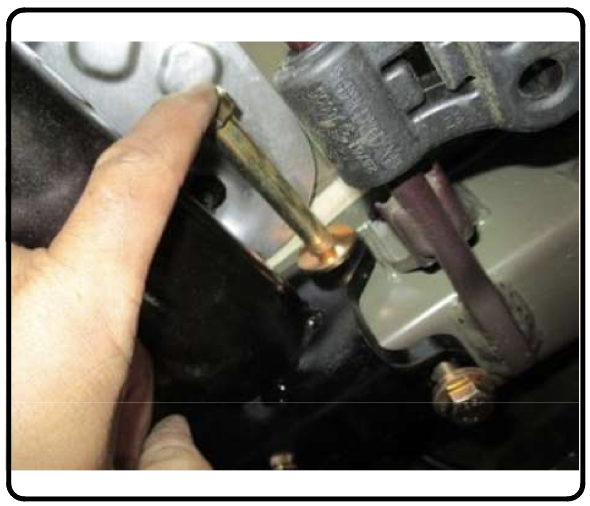
4. Raising and Securing the Hitch
The hitch is raised above the exhaust and aligned with the Telluride’s factory mounting points. High-strength hardware is installed and tightened to the hitch manufacturer’s torque specifications.
5. Restoring the Factory Components
The exhaust is returned to its rubber hangers, the underbody panel is reinstalled, and the spare tire is raised back into place. We finish by checking receiver alignment, exhaust and spare-tire clearance, mounting security, and the overall appearance.